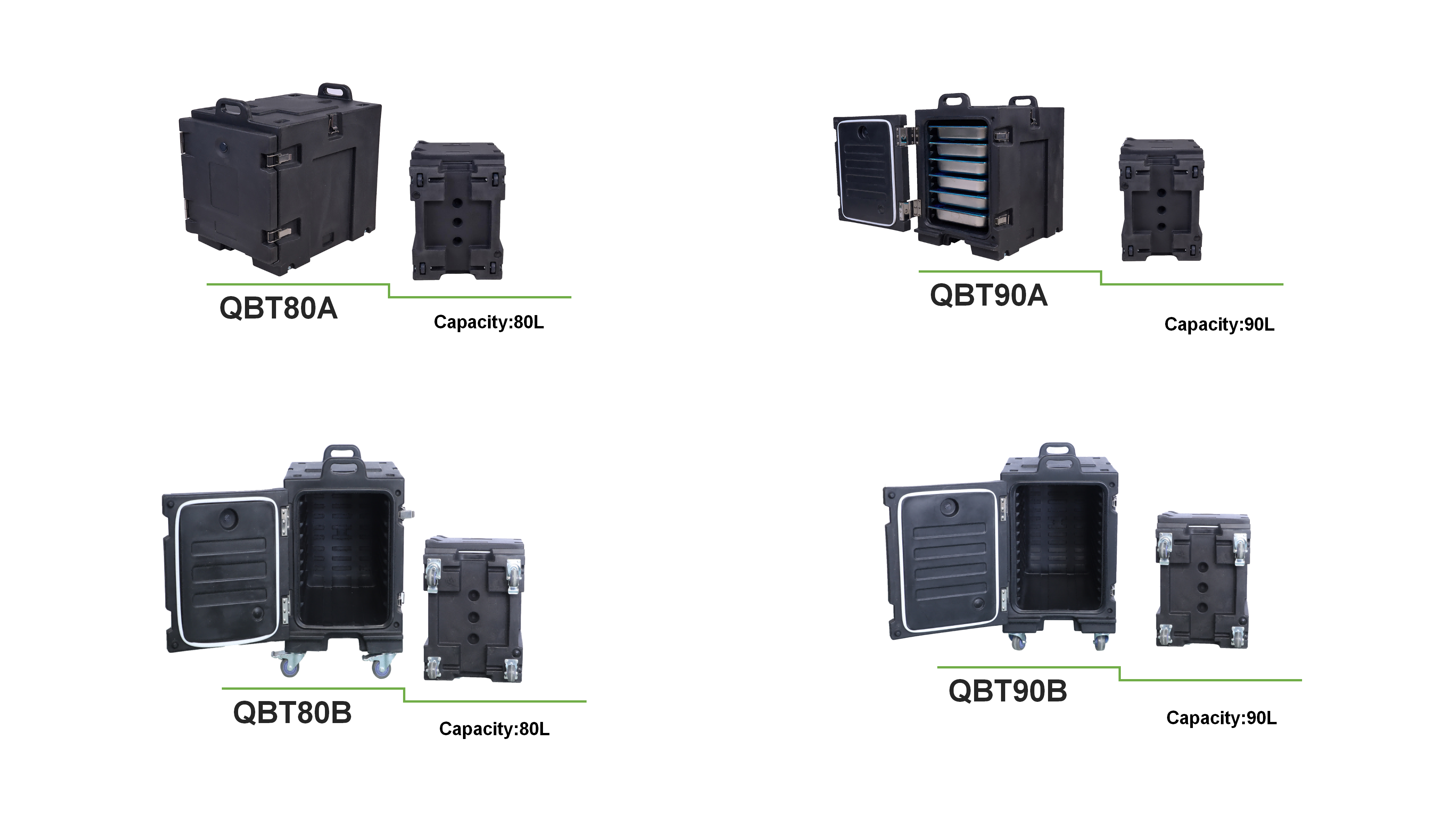
What is rotomolding?
Rotational Molded, also known as spin forming, is a process for manufacturing complex metal parts. It involves winding metal strip around a mold, then applying heat and pressure to form the desired shape, enabling one‑shot forming.
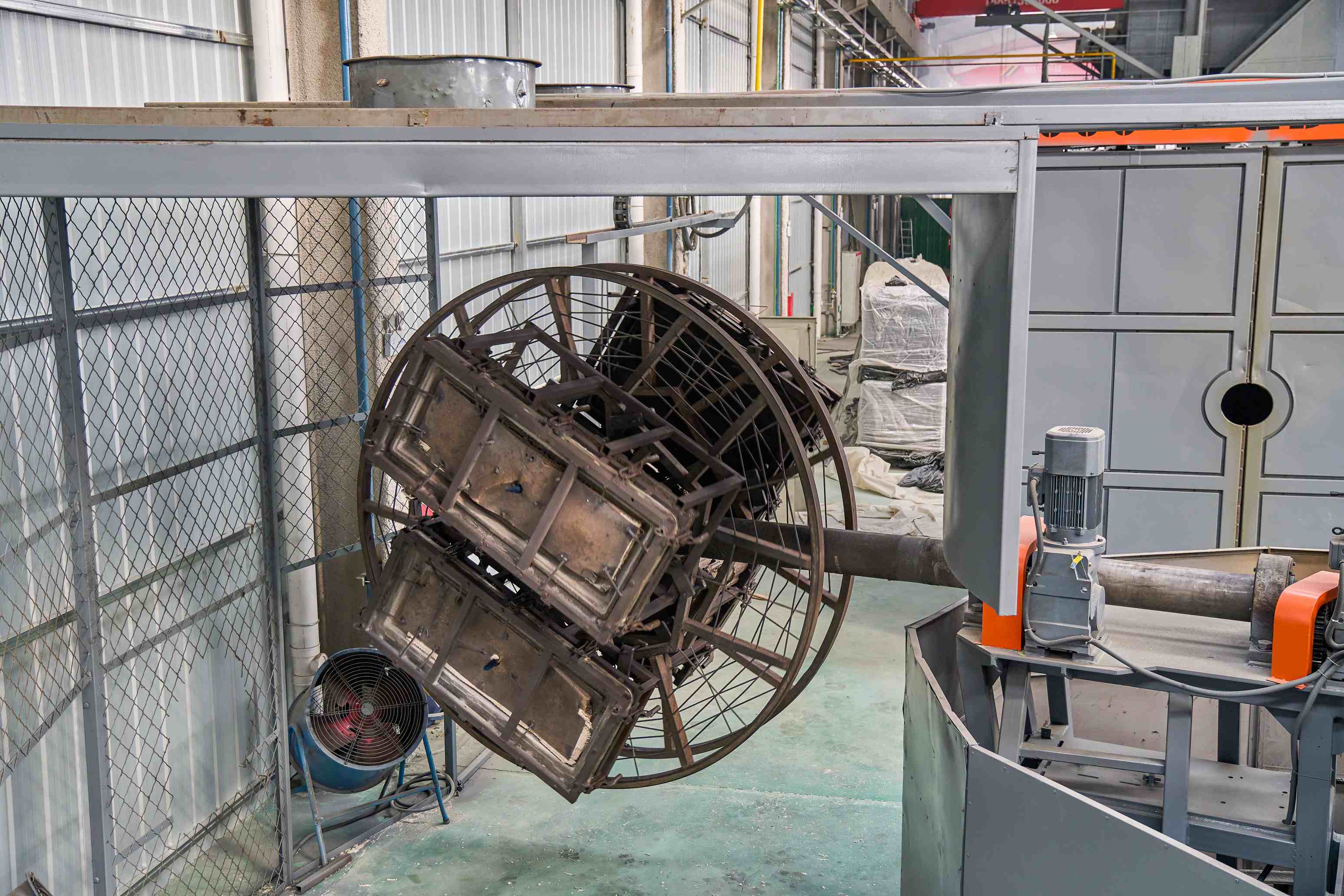
Advantages
1.High efficiency: The roll molding process adopts continuous automated production, enabling fast and efficient manufacturing of large quantities of homogeneous products. The process is simple and easy to operate.
2.Material saving: Compared with traditional injection molding and extrusion processes, roll molding generates only a small amount of scrap during production, resulting in high material utilization.
3.Excellent physical properties: Products made by the roll molding process have a smooth surface, accurate dimensions, uniform density, and good physical properties such as strength and hardness.
4.Strong plasticity: Products manufactured by roll molding can be designed, developed, and produced according to customer requirements, offering great design flexibility.
5.Easy maintenance: Because the equipment used in roll molding has a simple structure, maintenance and upkeep are very convenient.

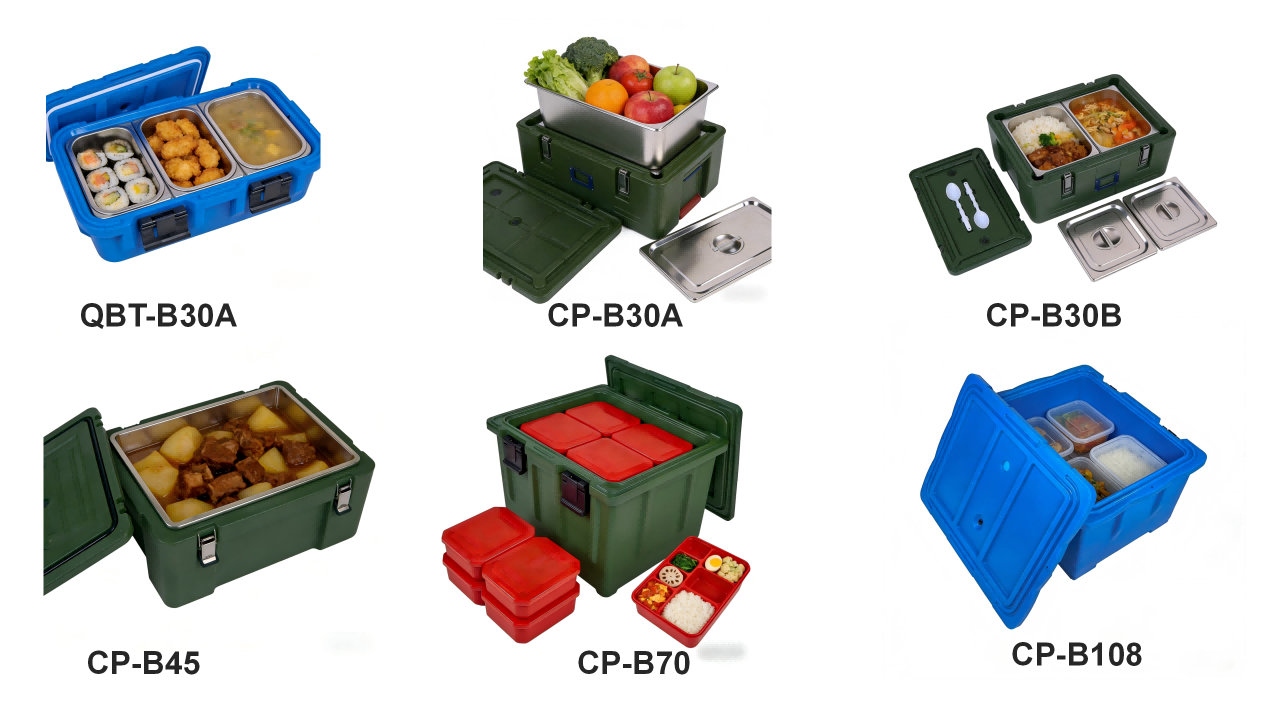
The rotomolding process has many advantages. First, it can produce more complex shapes that other forming methods cannot match. Second, the required mold structure is relatively simple, allowing rapid new product development. In addition, parts produced by roll molding typically exhibit material performance benefits due to uniform density, and they do not require joining or welding.
Applications
Roll molding can be used in many fields, such as aerospace, automotive manufacturing, and medical devices. In the aerospace field, roll molding is used to produce dynamic components such as aircraft engine blades and guide vanes. In automotive manufacturing, parts produced by roll molding are generally lighter and stronger, thus improving vehicle performance. In the medical device field, roll molding can produce surgical instruments tailored to specific proce
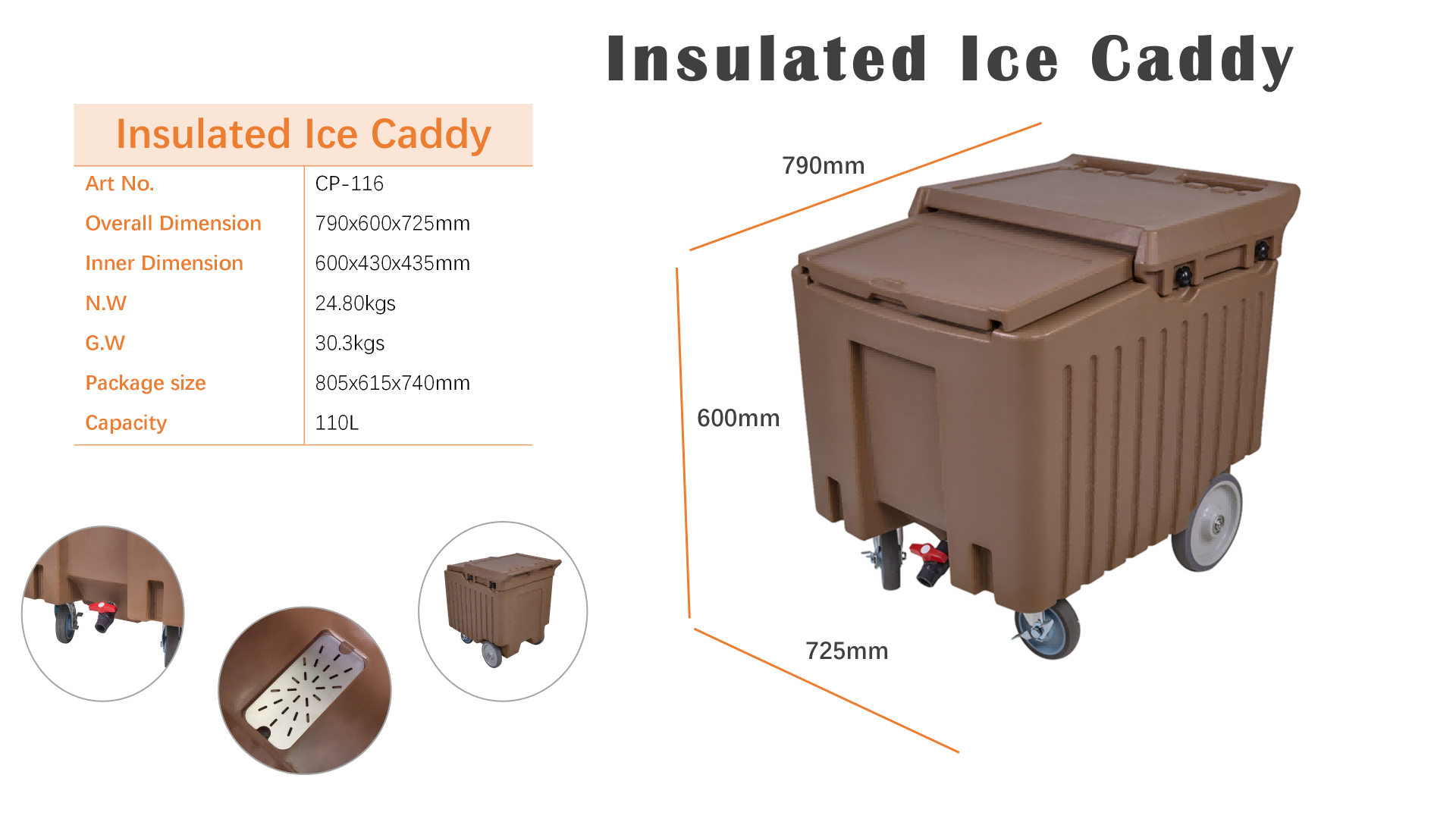 dures, such as steel needles and vascular grafts.
It should be noted that roll molding has a relatively high production cost, so it is often used to manufacture high‑end parts. Furthermore, because roll molding typically requires a certain production volume to be economical, for small‑batch products, other more cost‑effective and flexible processes are more suitable.