


Rotational molding, commonly known as rotomolding, is a versatile plastic processing technology ideal for manufacturing hollow, complex-shaped plastic products. Its primary advantages are summarized across the following dimensions:
- Greater Design Versatility
Complex Geometries: Rotomolding is perfectly suited for intricate shapes and diverse structures (such as curved surfaces, recessed designs, and irregular hollow components) without the need for complex mold parting lines.
One-Piece Construction: It enables seamless, integrated designs, which eliminates the need for joints and reduces secondary assembly steps.
Flexible Scaling: The process accommodates everything from tiny precision components to oversized structures like large storage tanks and yacht hulls.
- High Cost-Effectiveness
Low Tooling Costs: Rotomolding molds are typically fabricated from thin steel sheets or aluminum. The cost is significantly lower than that of injection or blow molding, making it ideal for small-batch or customized production.
High Material Utilization: Raw materials are used in powder form with virtually zero waste; any scrap generated is fully recyclable.
Reduced Equipment Investment: Compared to high-pressure injection molding machines, rotomolding equipment is more affordable, lowering the entry barrier for small and medium-sized enterprises.
- Uniform Wall Thickness
Through the simultaneous rotation and heating of the mold, plastic powder adheres evenly to the interior walls. This results in superior wall thickness consistency, which is critical for the structural integrity of hollow products like tanks and pipes.
- Diverse Material Compatibility
A wide range of resins can be utilized, including Polyethylene (PE), Polypropylene (PP), Nylon (PA), and Polyvinyl Chloride (PVC), to meet specific performance requirements such as corrosion resistance, UV protection, or food-grade certification.
- Exceptional Durability and Environmental Resilience
High Impact Resistance: Rotomolded parts generally exhibit high toughness and impact strength, making them suitable for outdoor use or harsh environments (e.g., chemical tanks, agricultural equipment).
Corrosion Resistance: These products offer excellent resistance to chemicals, UV rays, and moisture, ensuring a long operational lifespan.
- Production Agility
Economical for Small Batches: Without the burden of high tooling fees, the process is highly efficient for prototyping, customization, or small-volume orders.
Rapid Iteration: Mold modifications are relatively simple, allowing for quick design optimizations and faster time-to-market.
- Environmental Benefits
The production process involves zero Volatile Organic Compound (VOC) emissions. Combined with the recyclability of waste materials, it aligns with global trends in green manufacturing.
- Superiority in Large-Scale Manufacturing
Rotomolding is one of the few processes capable of producing extra-large hollow items, such as storage tanks exceeding 10 cubic meters, playground structures, and marine components.
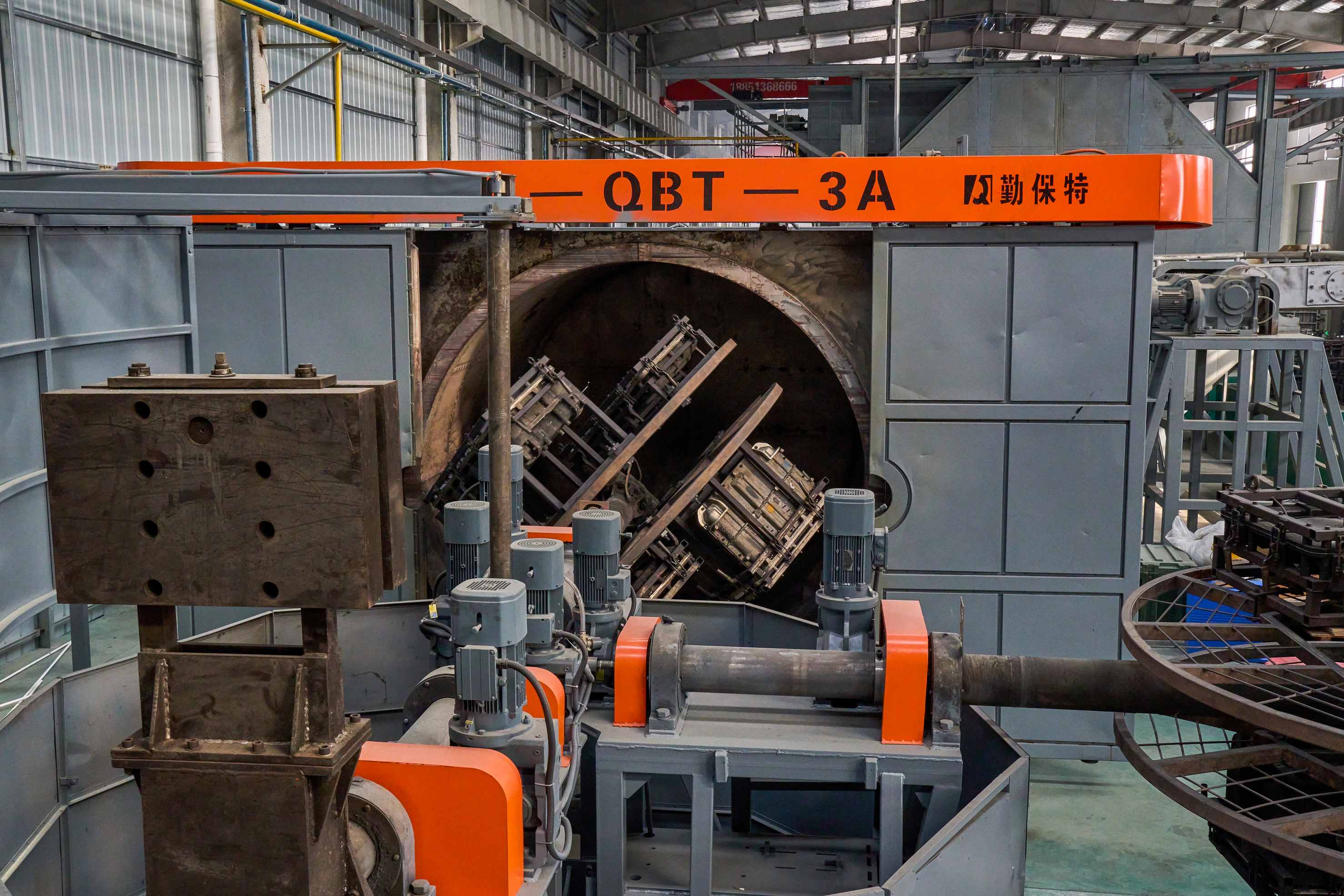
Typical Application Scenarios
Industrial Sector: Chemical storage tanks, pipelines, and industrial ventilation equipment.
Transportation: Automotive fuel tanks, marine hulls, and aerospace components.
Consumer & Civil Products: Water tanks, waste containers, outdoor furniture, and children’s toys.
Medical & Agriculture: Medical equipment enclosures, agricultural sprayers, and livestock containers.
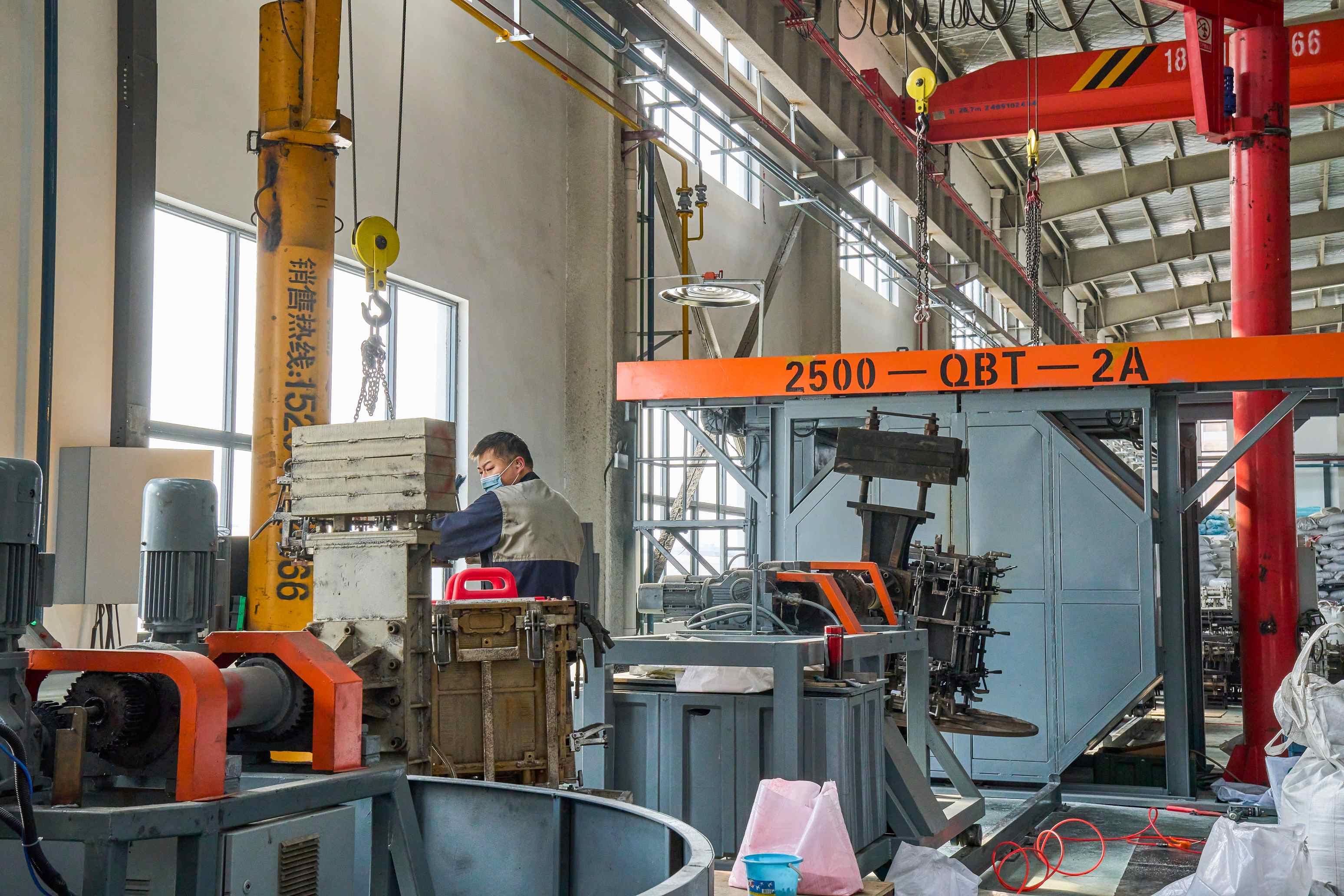
Summary
The rotomolding process offers outstanding advantages in design complexity, cost control, material adaptability, and large-scale manufacturing. It is particularly well-suited for medium-to-small batch production, customized requirements, or scenarios demanding high durability. However, it is important to note that the production cycle is typically longer, and the surface finish may not be as polished as injection molding; therefore, selection should be based on specific project requirements.