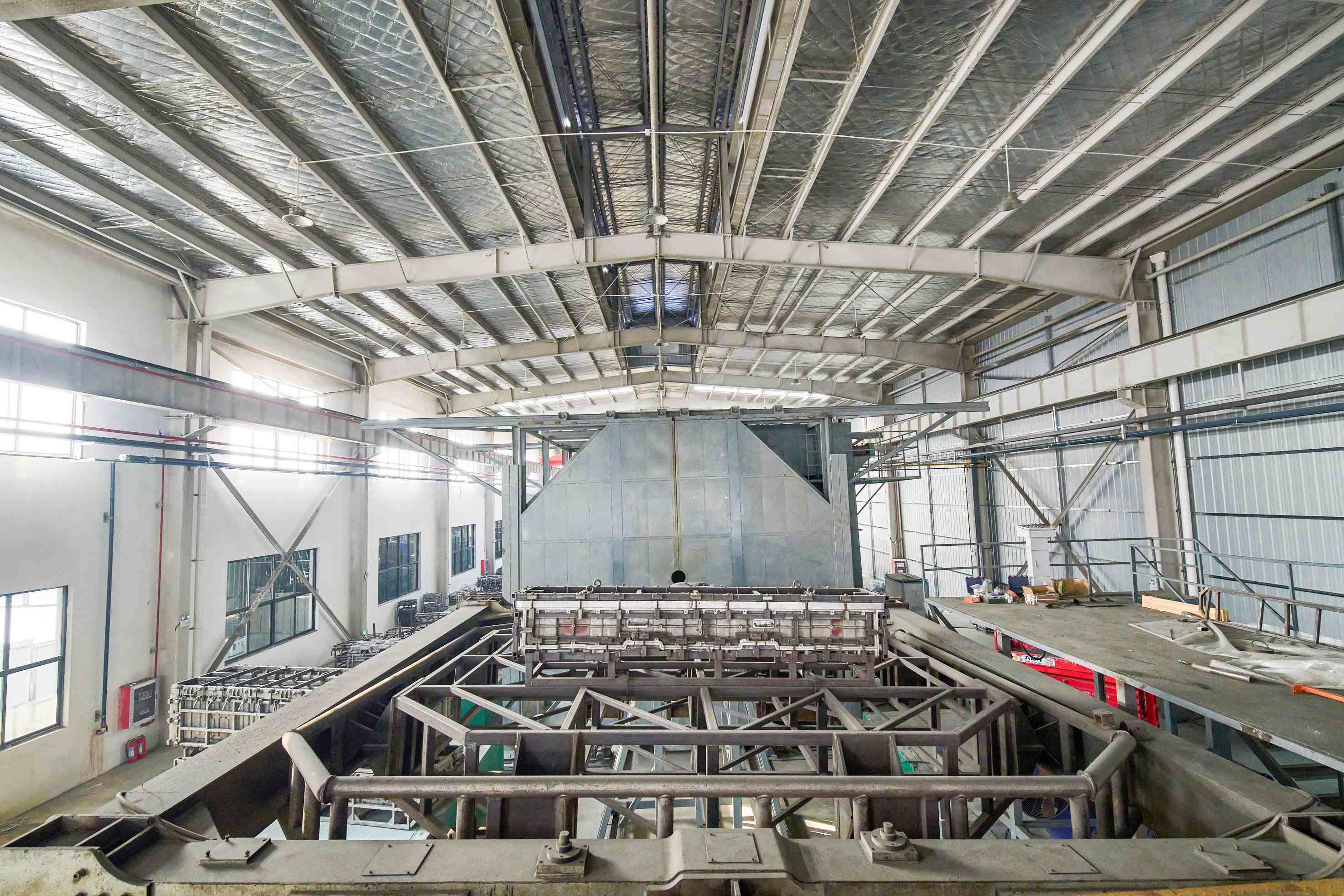
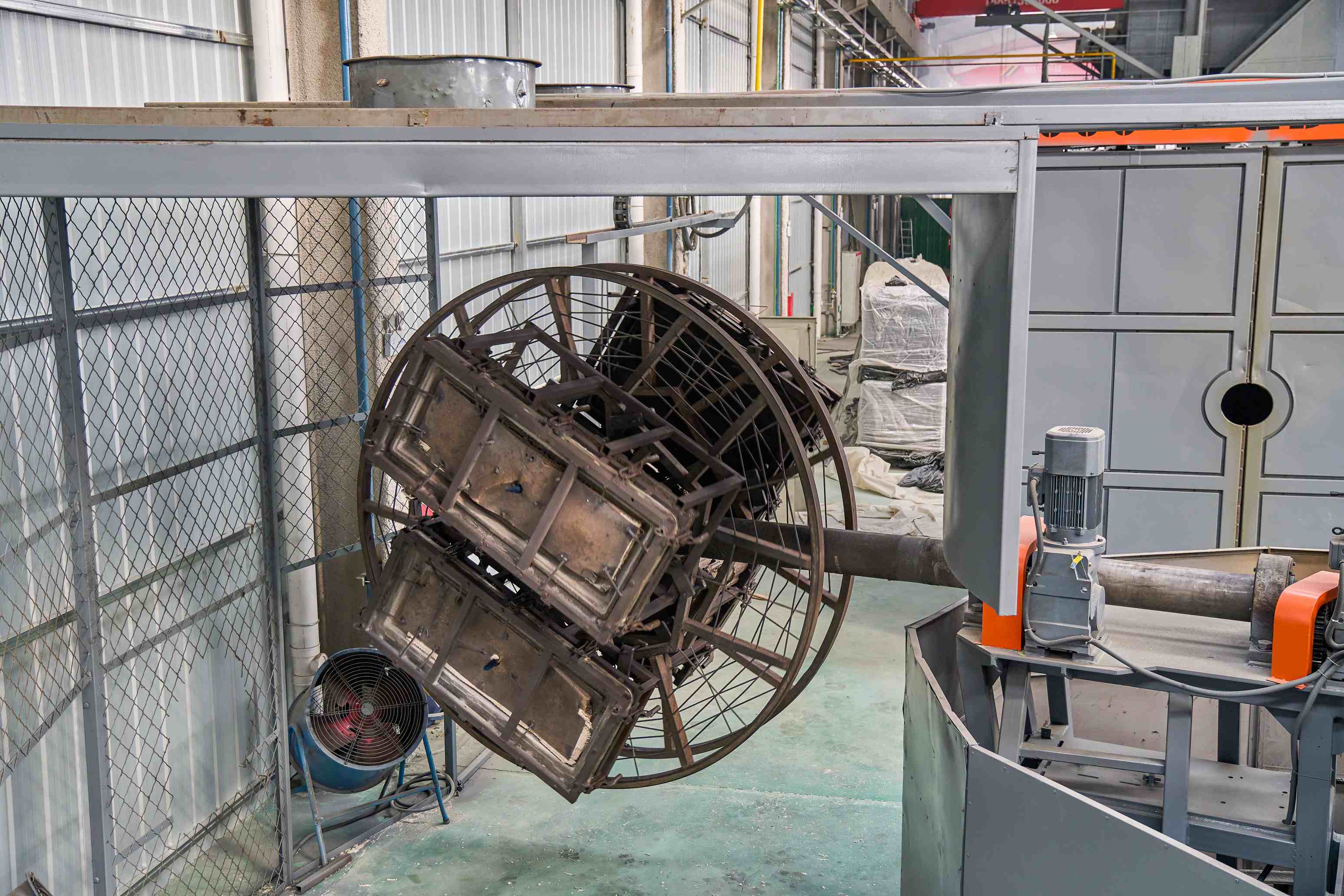
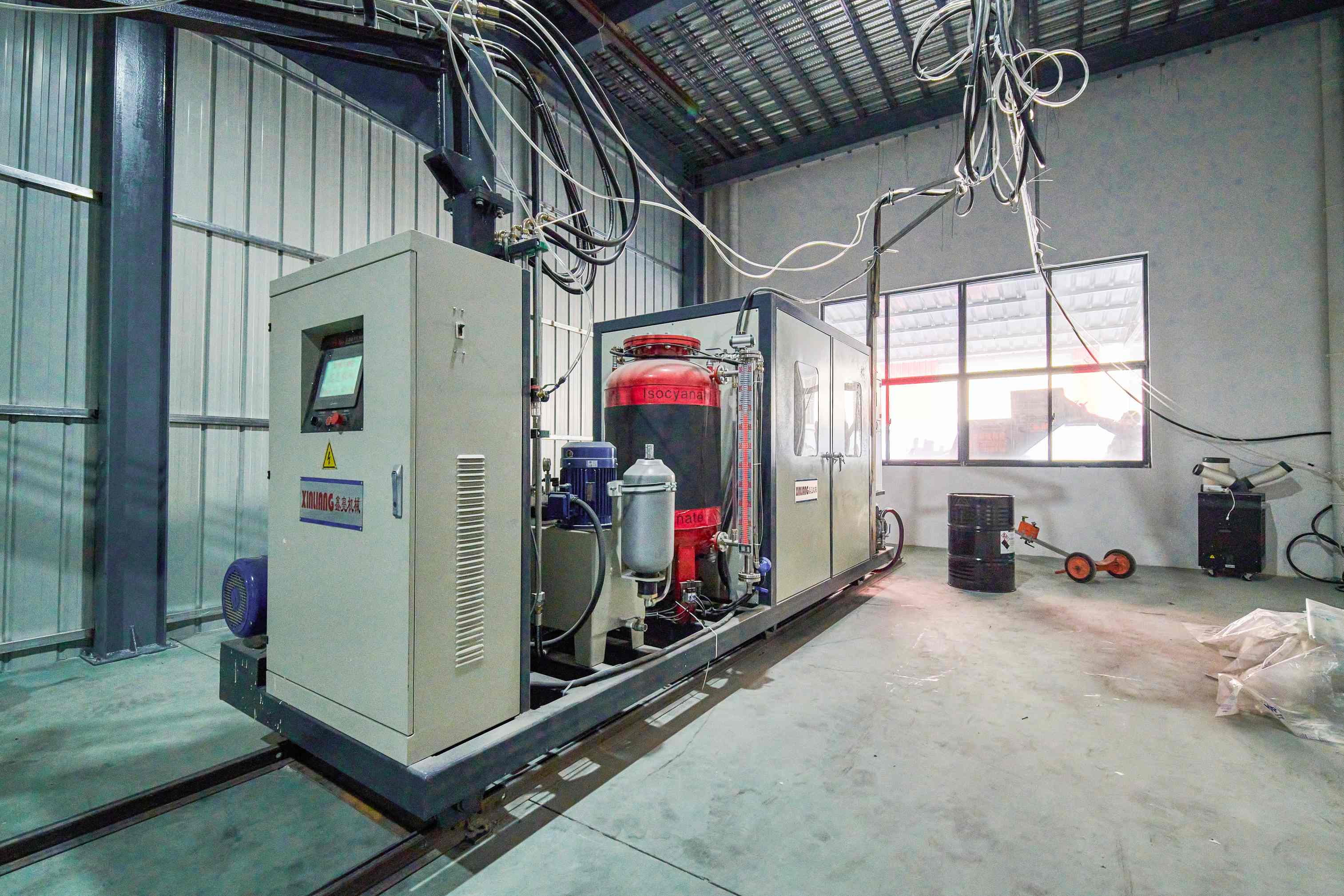
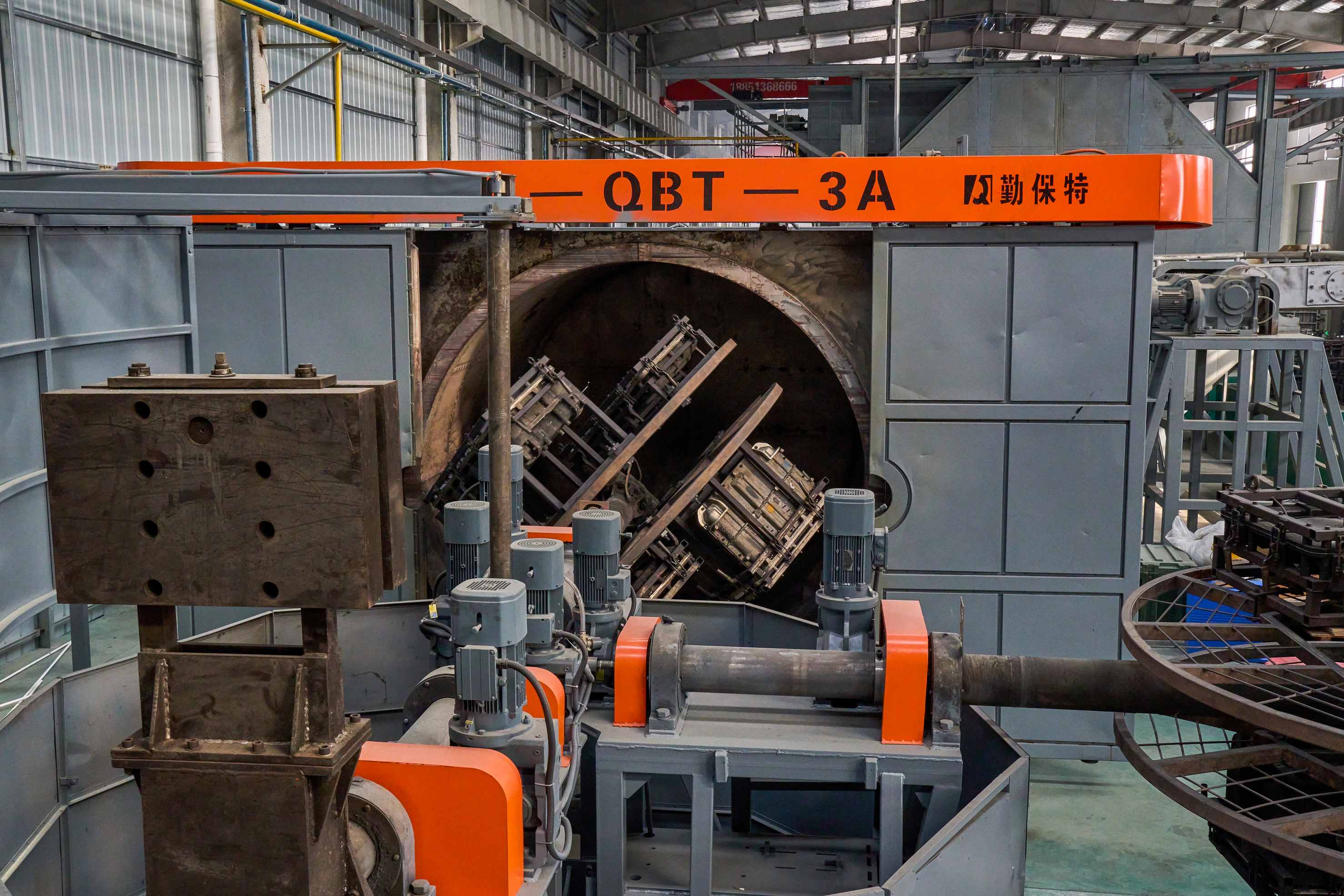
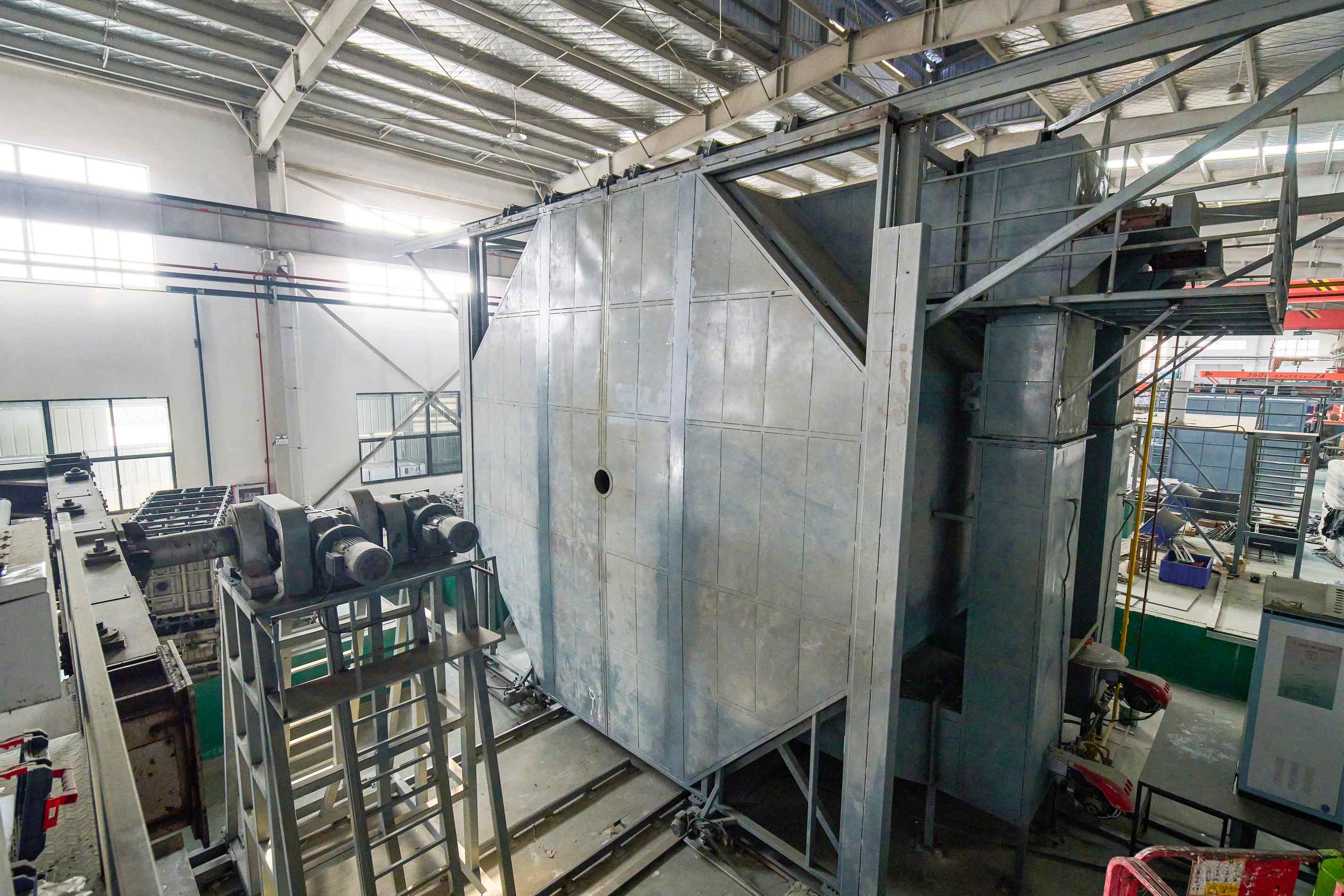
Rotational molding, also known as rotomolding, is a unique manufacturing process used to produce a wide variety of hollow plastic products. The process involves heating plastic material inside a closed mold that rotates simultaneously on two perpendicular axes. The molten plastic coats the interior surfaces of the mold and, upon cooling, forms a hollow, seamless part.
As of September 2021, there are no specific global industry standards exclusively dedicated to rotomolded products. However, these products are generally subject to the same standards as other plastic products, which may vary depending on the industry, product type, and region. For example, in the United States, rotomolded food storage containers must comply with FDA regulations, while rotomolded automotive components must meet specific automotive industry standards.
For the inspection and quality control of rotomolded products, the following criteria are typically evaluated:
1.Dimensional Accuracy: Products must conform to the dimensions and tolerances specified in the design. This includes both overall dimensions and wall thickness.
2.Surface Finish: The product surface should be smooth and uniform, free from defects such as warping, dents, bubbles, or scratches.
3.Material Consistency: The material must be evenly distributed throughout the product. Wall thickness should be consistent, with no "thin spots" or pinholes.
4.Physical Properties: Products must meet the required physical performance specifications, such as strength, flexibility, impact resistance, heat resistance, and chemical resistance. These are typically verified through methods like tensile testing, impact testing (ARM low-temperature impact test), and heat deflection testing.
5.Color and Appearance: The product should exhibit the correct color and aesthetic finish as specified by the customer.
6.Assembly: If the product consists of multiple parts or requires assembly, all components must fit together correctly and function as intended.
7.Functional Testing: Depending on the product’s application, specific functional tests may be required. For example, rotomolded tanks often undergo leakage/pressure testing.
In addition to these general criteria, specialized tests and inspections may be necessary based on the specific nature and intended use of the product.