

The debate over whether steel plate molds or aluminum molds are more suitable for rotational molding has long been a topic of contention in the industry. In my opinion, this is an unnecessary and meaningless dispute. If a definitive answer must be given, I believe any conclusion serves mold manufacturers rather than providing an objective and accurate result. Some may still ask, "Are aluminum molds better or steel plate molds better?" I can only say, for example, if you are buying a pair of shoes, would you consider sneakers better or leather shoes better? Of course, what suits you best is the best choice. Depending on personal preference or purpose, we choose different types of shoes. So, can the debate over whether steel plate molds or aluminum molds are superior come to an end? It seems the answer is clear: what is suitable is best. Therefore, at the beginning of mold development, your objective, accurate, and rational choice is the most important.
However, at the start of rotational product development, based on the characteristics of the product, it is crucial to carefully consider which type of rotational mold to choose. Here is some information about steel plate molds and aluminum molds for rotational molding for your reference.
Advantages and Disadvantages of Aluminum Molds for Rotational Molding:
In terms of manufacturing processes, aluminum molds for rotational molding are divided into cast aluminum molds and CNC aluminum plate molds. The former is a traditional process, with steps roughly including drafting → wood pattern making → resin mold → casting → finishing. The latter is a product of the digital era, formed in one go through CNC machining centers, offering advantages such as aesthetics and precise dimensions. However, the drawback is that they have size limitations and cannot be used to produce large rotational molds. Cast aluminum molds and CNC aluminum plate molds use cast aluminum or aluminum alloy as materials. Theoretically, due to aluminum's excellent thermal conductivity, aluminum molds should provide better heat transfer during processing, saving energy. However, due to aluminum's strength limitations, the average thickness of aluminum molds is typically over 10mm, significantly reducing the advantages they should offer. On the contrary, compared to steel plate molds, the rotational molding cycle for aluminum molds is relatively longer. Additionally, due to the increased thickness of aluminum molds, their overall weight is relatively high, placing a certain burden on rotational molding machines. Furthermore, due to the characteristics of aluminum, repairing aluminum molds is a more complicated task.
Advantages and Disadvantages of Steel Plate Molds for Rotational Molding:
Compared to aluminum molds, steel plate molds emerged much later, evolving from automotive sheet metal mold processes. The technology is not yet fully mature, which is one reason why steel plate molds are not highly regarded by industry professionals. Nevertheless, steel plate molds offer many advantages that aluminum molds lack.
Cost Advantage: Except for very small rotational molds, for medium-sized molds, choosing steel plate molds can reduce mold costs by at least one-third.
Ease of Modification and Repair: Steel plate molds are easier to modify, repair, and maintain compared to aluminum molds.
Energy Efficiency: Due to the thin wall thickness of steel plate molds (typically 2.5mm or 3.0mm), the melting time of the powder material during rotational molding is shortened, reducing energy consumption to some extent.
Precision Manufacturing: By combining traditional techniques with CNC technology, precise rotational molds can also be produced.
In the rotational molding industry, steel plate molds are still widely used. I believe that with the development of rotational molding technology and increased awareness among professionals, the application of steel plate molds will usher in a new wave of demand.
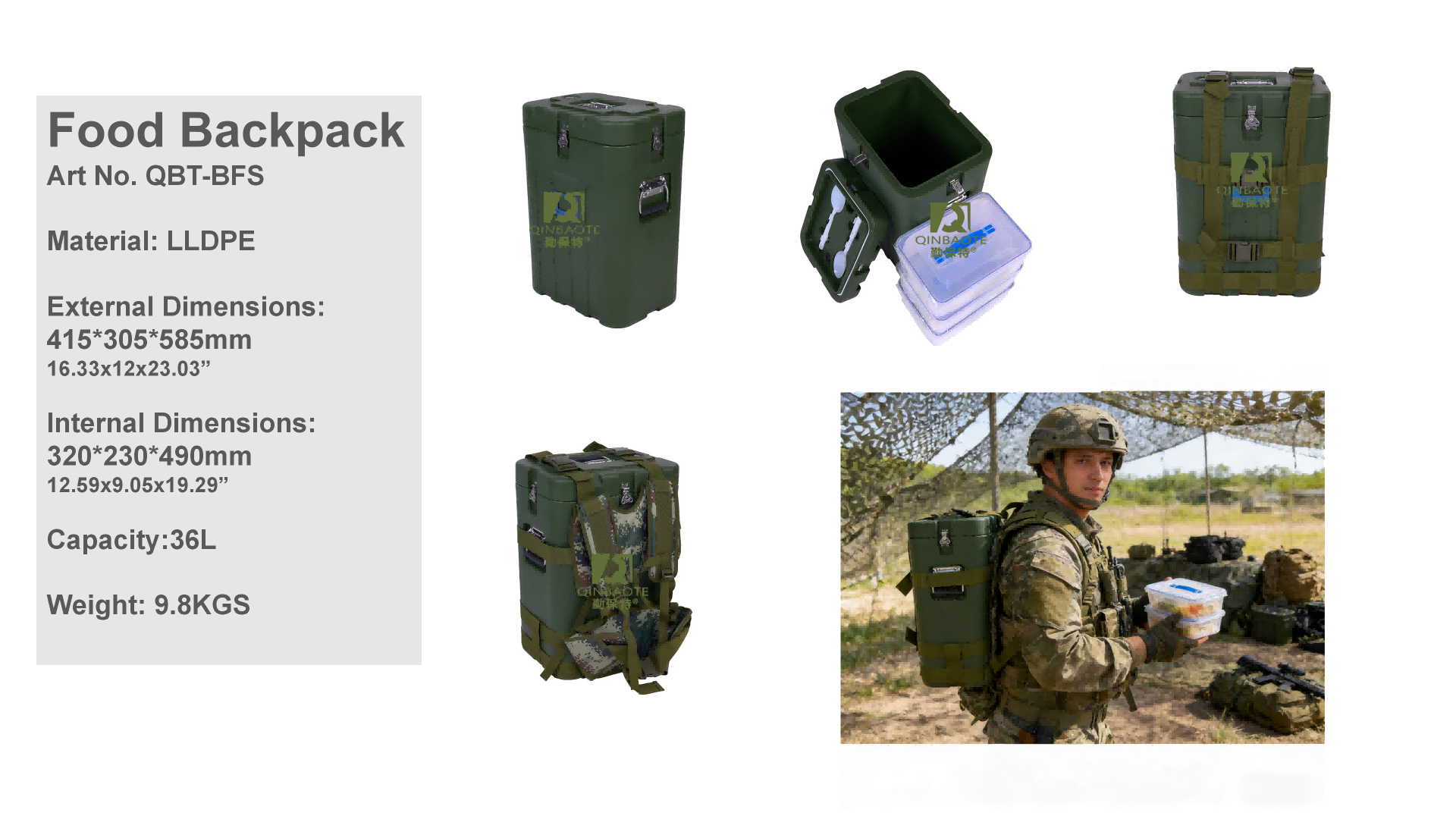
Here is our related catering kitchen equipment products for you checking.

80L 90L 130L Insulated Food Pan Carrier,36L Food Delivery Backpack, 120L Baking And Steaming Tray Insulation Box, 90L 130L Heating Insulated Carrier, 7L 10L 18L 20L 45L Insulated Beverage Dispenser, 10L 15L 20L 30L 45L 50L Soup Wamer Barrel, Catering Equipment Hot Box for food warmer, CP-220 Dish Cart, CP-116 Sliding Lid Portable Ice Cart.