

-
Regularly observe the condition of the products or molds to check for scratches, dents, peeling, cracks, or other issues. If minor defects are found on the surface of the mold cavity, repair them promptly.
-
If a product sticks to the mold, never resort to forceful methods such as prying with sticks or rods, especially not with iron rods, as this can easily damage the mold. For molds coated with Teflon, if a small section is pried off, the entire coating must be removed and reapplied, resulting in significant complications and delays in production and delivery. Therefore, opt for gentle and flexible demolding methods. Even if it takes a bit longer, prioritize protecting the inner cavity of the mold.
-
If the mold develops scratches or burrs, avoid using files for repairs. Instead, use fine oilstones or fine sandpaper for polishing.
-
Excess waste material often accumulates around the flange of the mold. Clean it promptly to ensure proper mold closure and sealing. However, when cleaning, use bamboo or plastic tools instead of rigid tools like steel knives to avoid damaging the parting surface of the flange.
-
Store molds in a dry, well-ventilated area to prevent moisture from affecting production and product quality. The storage location should be flat and capable of bearing weight. Check the mold frame for cracks or damage, and ensure the mold is properly reassembled to avoid deformation due to its own weight.
-
Inspect the vent holes to ensure they are clear and unobstructed. Check whether clamping bolts, springs, fixtures, etc., are secure and not loose.
-
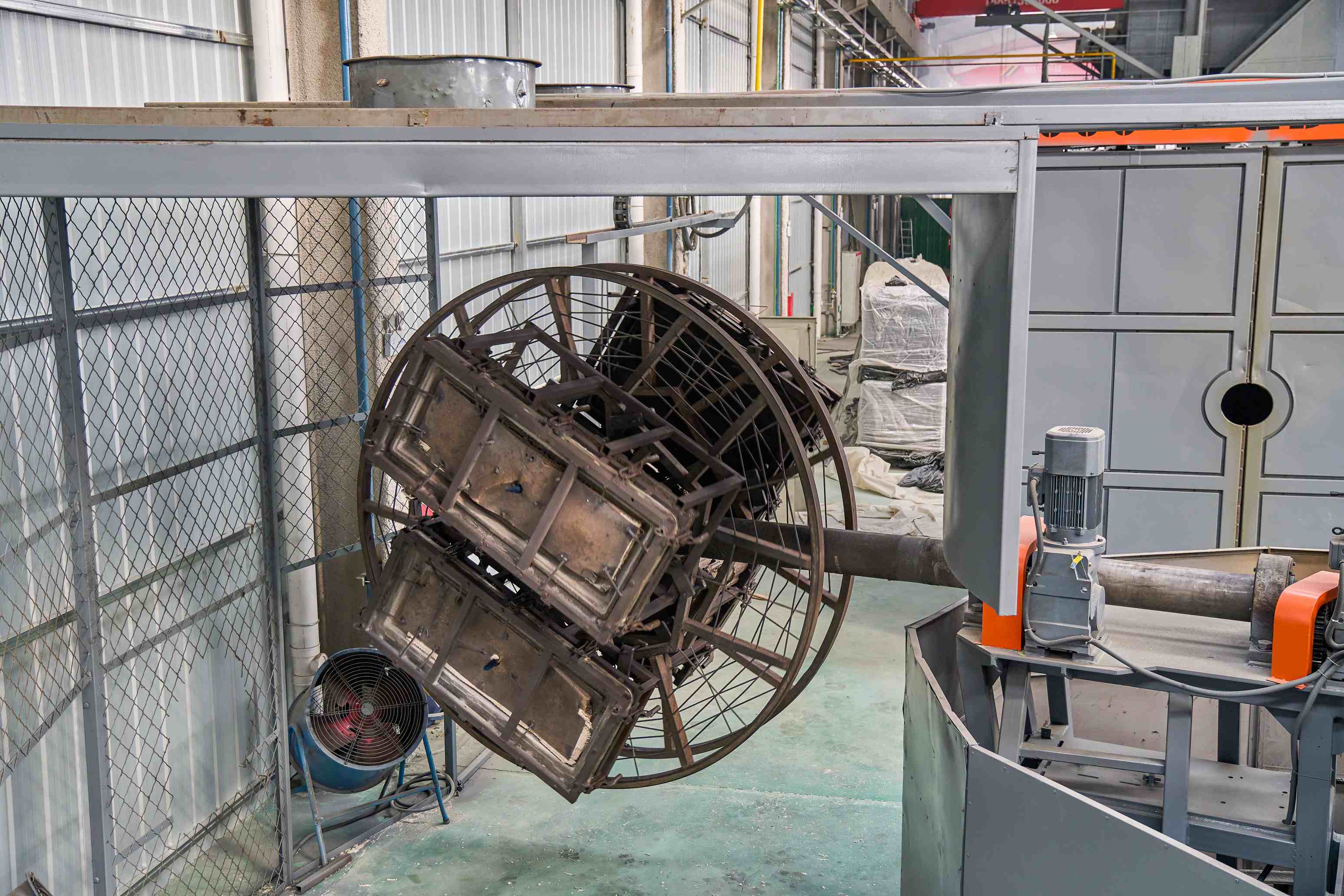
After completing production tasks, remove the mold from the rotational molding machine in a timely manner and place it on a flat surface. Avoid leaving the mold suspended on the machine for extended periods, as this can cause deformation and impose long-term unilateral stress on the rotational molding equipment. This is especially important for large, elongated, or heavy rotational molds.Here is our related catering kitchen equipment products for you checking.
80L 90L 130L Insulated Food Pan Carrier,36L Food Delivery Backpack, 120L Baking And Steaming Tray Insulation Box, 90L 130L Heating Insulated Carrier, 7L 10L 18L 20L 45L Insulated Beverage Dispenser, 10L 15L 20L 30L 45L 50L Soup Wamer Barrel, Catering Equipment Hot Box for food warmer, CP-220 Dish Cart, CP-116 Sliding Lid Portable Ice Cart.