

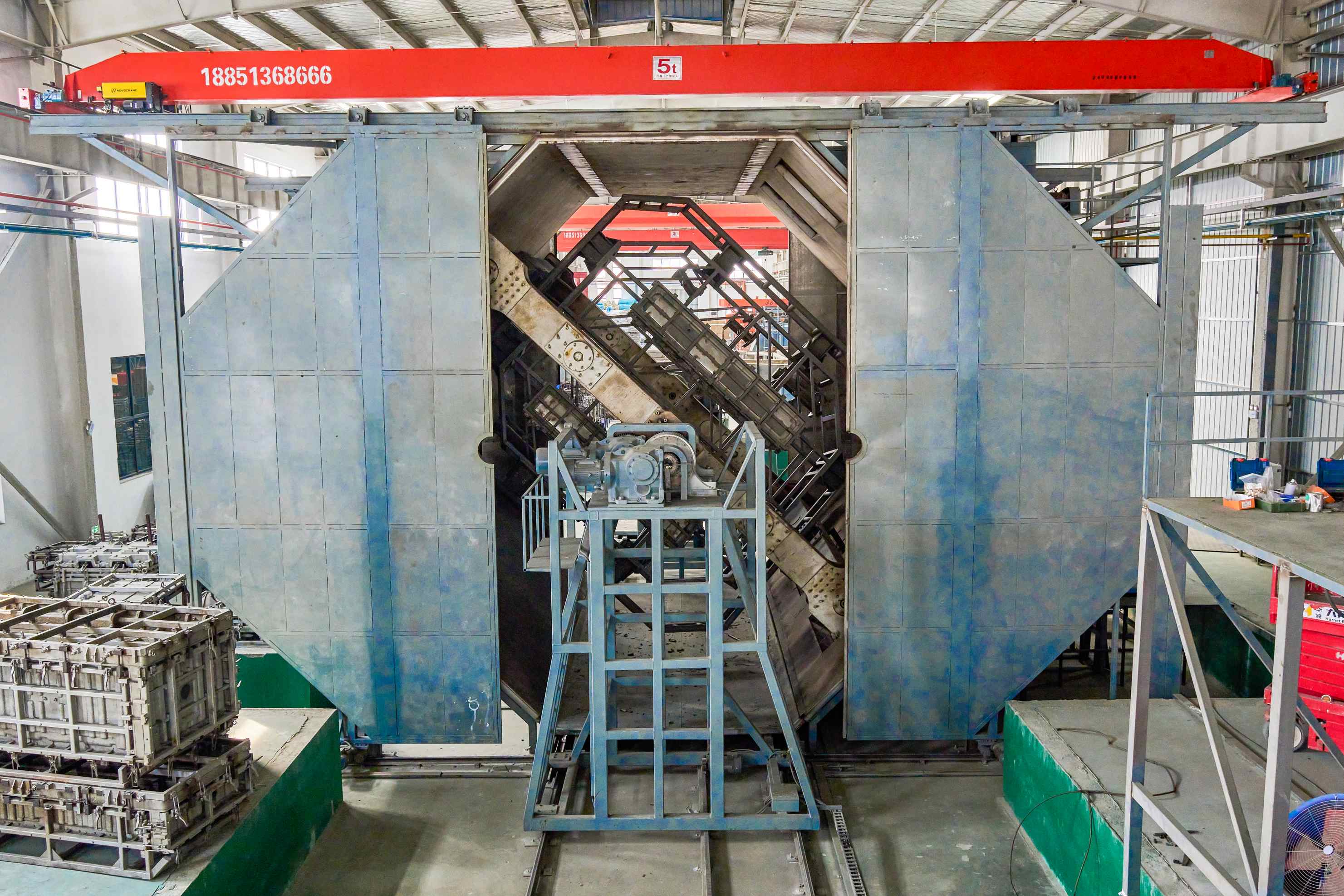
The mold structure should be reasonable, allowing for easy opening and closing, convenient operation of inserts and fittings, and higher production efficiency.
The mold material should be appropriately selected, ensuring high strength, durability, and a long service life.
The mold wall thickness should be moderate, enabling rapid heat transfer and cooling, which contributes to increased efficiency, energy savings, and improved product quality.
The mold dimensions should be precise, with smooth lines, a clean cavity surface, appropriate internal clearances, and no dead corners that hinder material flow, meeting the production requirements of the rotational molding process.
The design and manufacturing costs should be reasonable, ensuring a high cost-performance ratio for the mold.
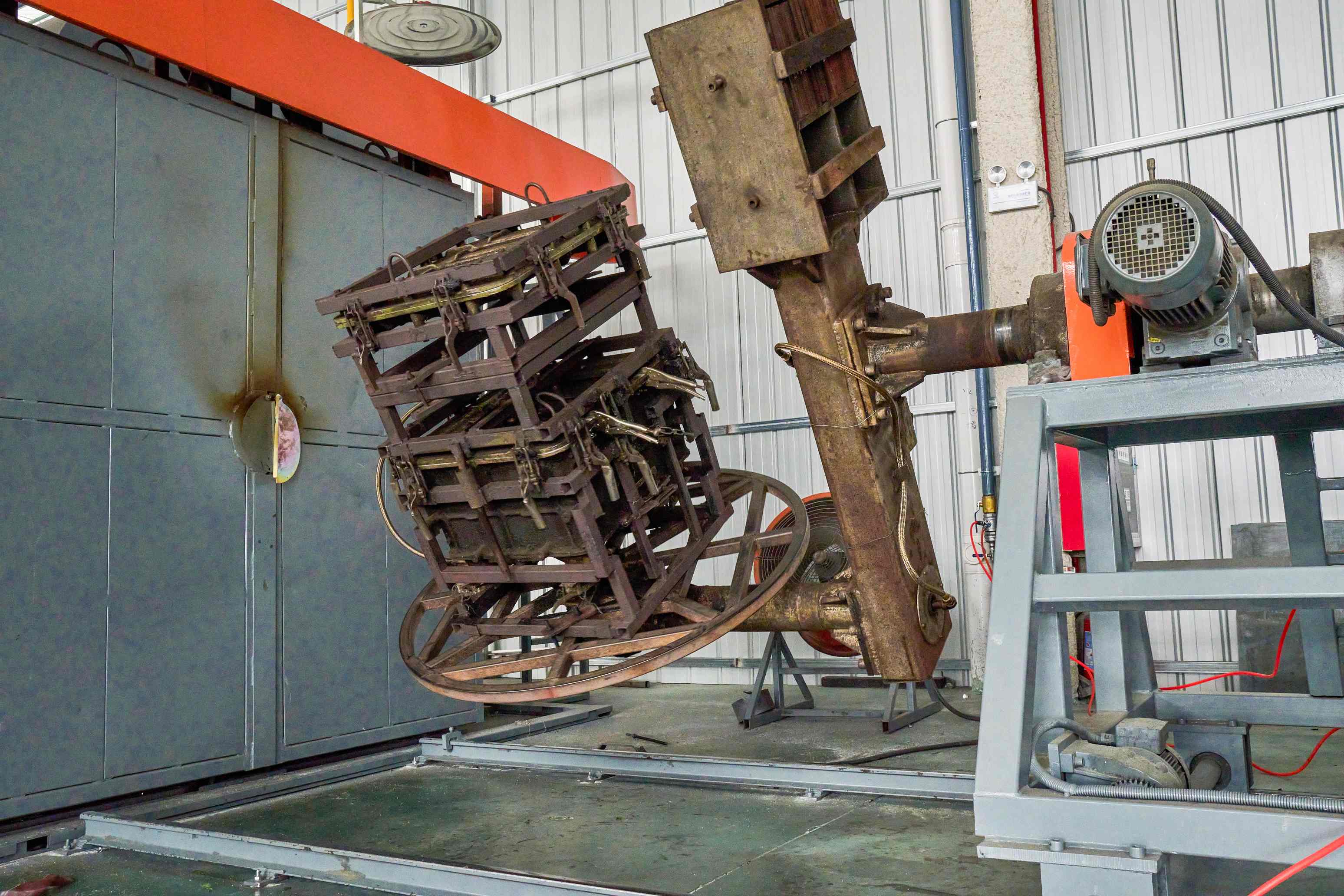
Of course, for mold manufacturers, the characteristics of the rotational molding process often place mold design and manufacturing in a contradictory situation. It is highly challenging to create a mold that fully meets all these requirements, and typically, the best approach is to find an optimal balance among them. For example, to improve production efficiency, the mold wall thickness should be as thin as possible to allow faster heat conduction, enabling rapid heating and cooling, while also reducing the overall weight of the mold, saving energy, and minimizing equipment wear. However, if the mold wall is too thin, it may result in insufficient strength, making it difficult to withstand the repeated stresses during production, leading to deformation, damage, and a significantly reduced service life. Therefore, the design of rotational molding molds must comprehensively consider these factors to develop a reasonable solution, creating molds with moderate wall thickness and high strength. Such trade-offs are common in the mold design and manufacturing process.
Here is our related rotomolded case for you checking.
Carrying case QBT25521595, Rotational Molding Cases QBT865 ,Rotomolded Safety Cases QBT1288,Flat Screen LCD TV Shipping Cases QBT-DAG,Rotomolded Long Gun Case QBT1374421,Foldable Field Desk,Premium Medium Plastic Rotomold Case QBT1866.